Nikon’s D40x replacement is actually more than a minor facelift
Press release:
Nikon UK announces the D60
At first glance Nikon’s new D60 DSLR, officially launched last Tuesday, didn’t seem a whole lot different to the D40x it replaces. It still had ten megapixels (though there’s nothing wrong with that) and there was no mention of live view. The AF system still had just three AF points. However, under the skin, there are plenty of interesting detail changes, which we’ll explore below. I also had a chance to use a late pre-production D60 and Nikon has kindly consented to DPNow making some of these pictures available to you for download – see the thumbnail gallery at the bottom of the page.
Nikon’s DSLR sales performance in the UK
These days Nikon is reporting very healthy figures for the UK DSLR market. 450,000 DSLRs were sold in the UK in total during 2007 and Nikon claimed 39% of that number, hitting a single month high of 42%. Analyst predictions suggest that the UK DSLR market will grow by 20% in 2008 and Nikon hopes models like the D60 will grow its market share even further and demote Canon to 2nd place.
Nikon’s 16th DSLR model
The D60 is no less than Nikon’s 16th DSLR model. Headline D60 features include the implementation of the sensor dust removal system already seen in higher-end Nikon models, plus availability with a brand new VR optically stabilised version of the 18-55 kit lens. The D60 replaces the D40x, but the original entry-level 6 megapixel D40 remains in the line up for now.
So what else is new?
Nikon says they have improved the responsiveness of the camera. It also has user interfaces features further designed to make novice photographers at home with the camera. Several features have been borrowed from the D300 and D3. Here are some of the new features in turn:
Expeed image processing – Nikon’s latest generation of in-camera image processing has been borrowed from the D300 and D3. Besides improvements in colour, tone and noise control, Expeed aims to apply the same base colour characteristics to images produced by all Nikon DSLRs.
18-55mm f/3.5-5.6 VR kit lens. The now familiar 18-55 AF-S kit lens has been endowed with Nikon’s VR optical image stabilisation system which promises at least three stops of shake resistance. The D60 is the first Nikon DSLR to be bundled with the new lens.
Eye sensor – joining the ranks of Sony (which inherited the system originally invented by Minolta) and Canon, Nikon has implemented a sensor just below the viewfinder eyepiece that detects when your face is up against the camera, turning off the LCD which can be a distraction otherwise. It doesn’t appear to engage the AF system, which is a function of the Sony system.
Sensor cleaning and airflow control to reduce dust ingress – the same multi-stage low pass filter anti-dust vibration system introduced in the D300 and D3 is now featured in the D60. In addition, Nikon has developed an interesting ‘air flow control’ system that uses the reflex mirror in a fanning action to drive dust away from the sensor. This works with permanently sticky strips inside the mirror box and small vents.
Graphical representation of camera functions – designed to help beginners understand shooting data more logically, shutter speeds are represented on the status LCD as fractions, like 1/250 second, rather than just ‘250’. The animated aperture iris already seen in the D40 has been improved and now alters more seamlessly. The mode dial is also graphically represented.
In-camera image editing – there is now instant access to Active D-Lighting via an external button, boosting shadow detail without sacrificing highlights like blue skies, like the D3 and D300 you can adjust the image tone and colour of an image previously taken and the camera will generate a new, separate, version. There is a star burst filter effect option and stop motion animation is now supported.
Will the lack of live view, a bigger LCD and more than 10 megapixels be enough to compete with Canon’s new EOS-450D? The Canon is more expensive, but how buyers will vote is anyone’s guess at this time.
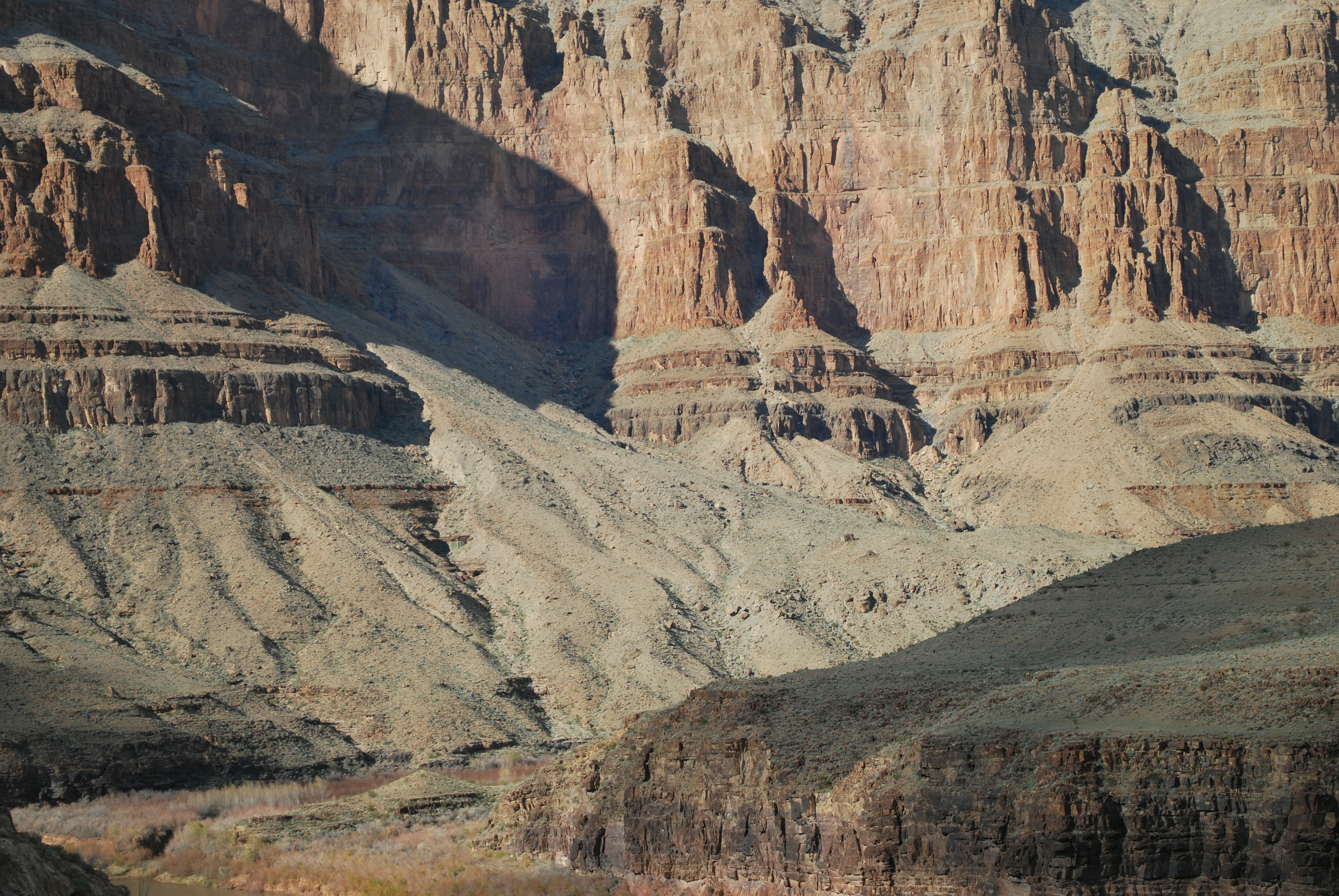
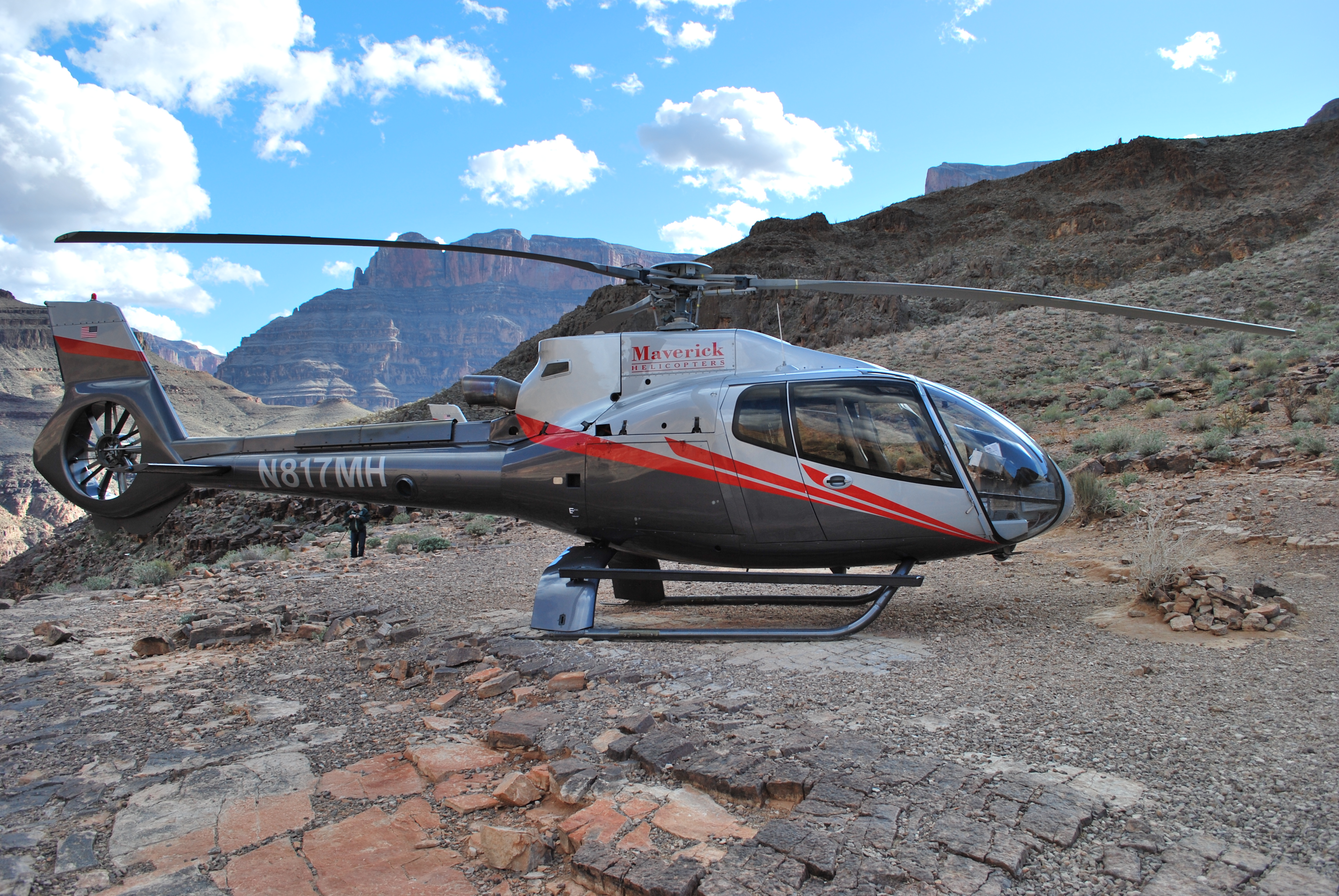
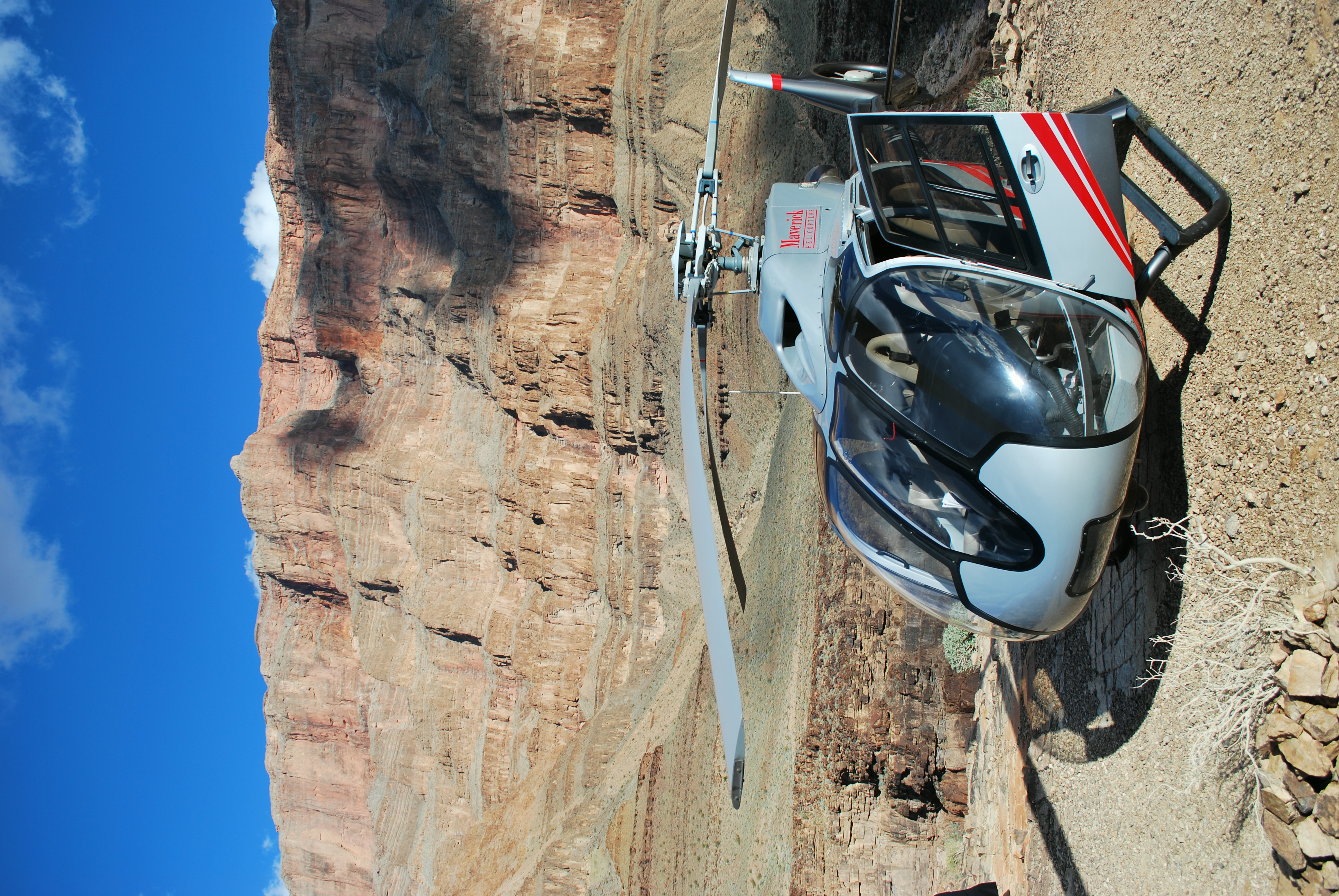
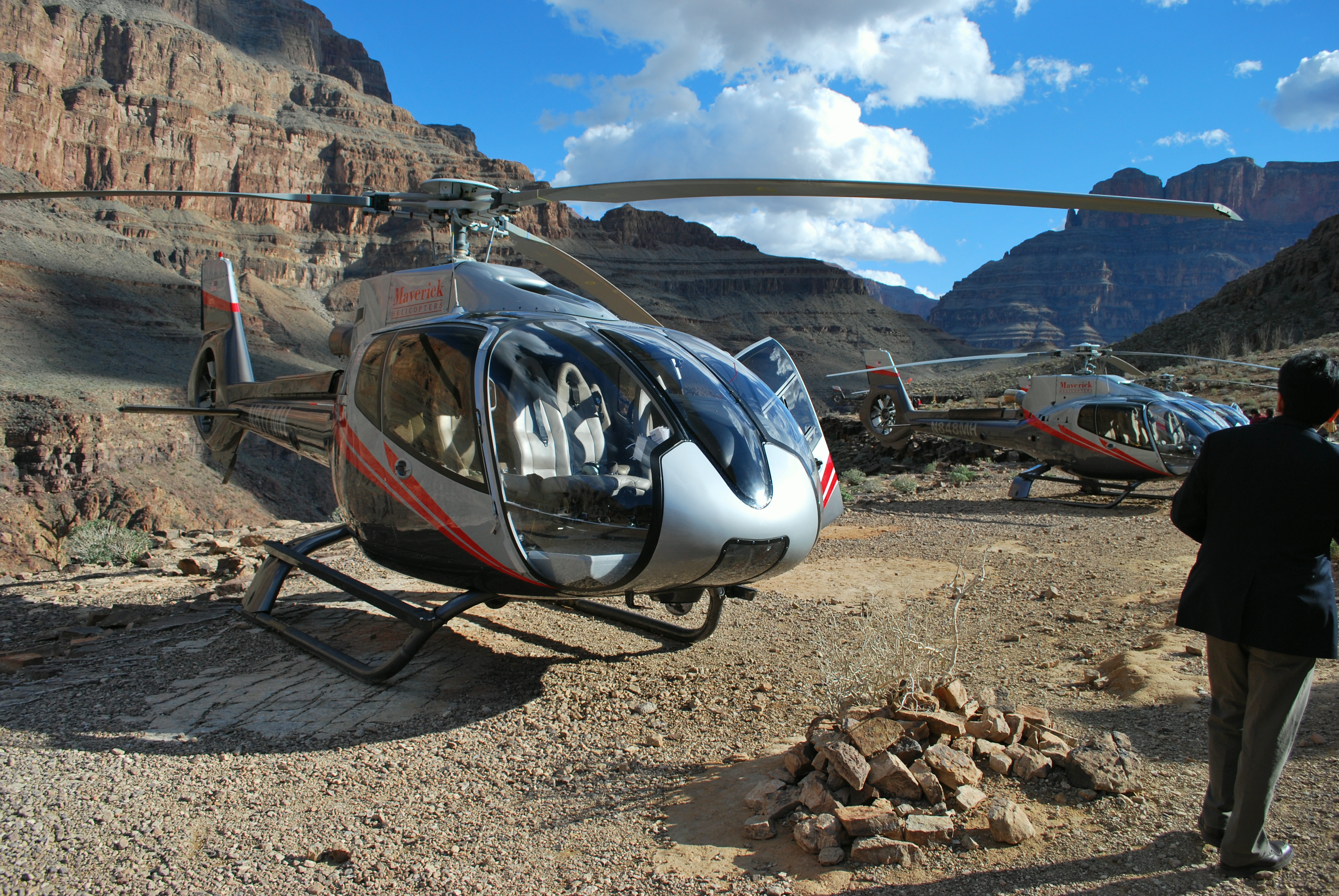
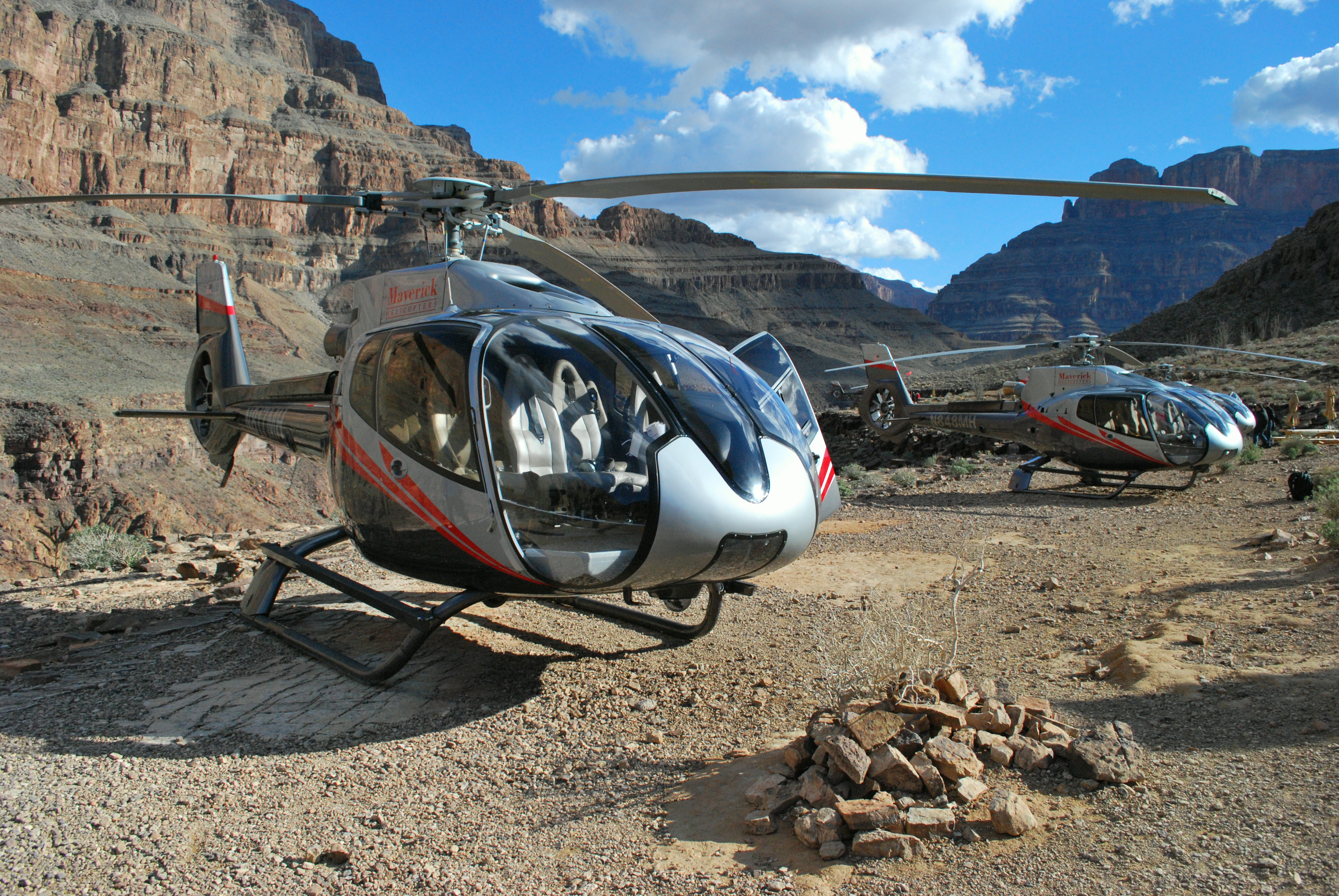
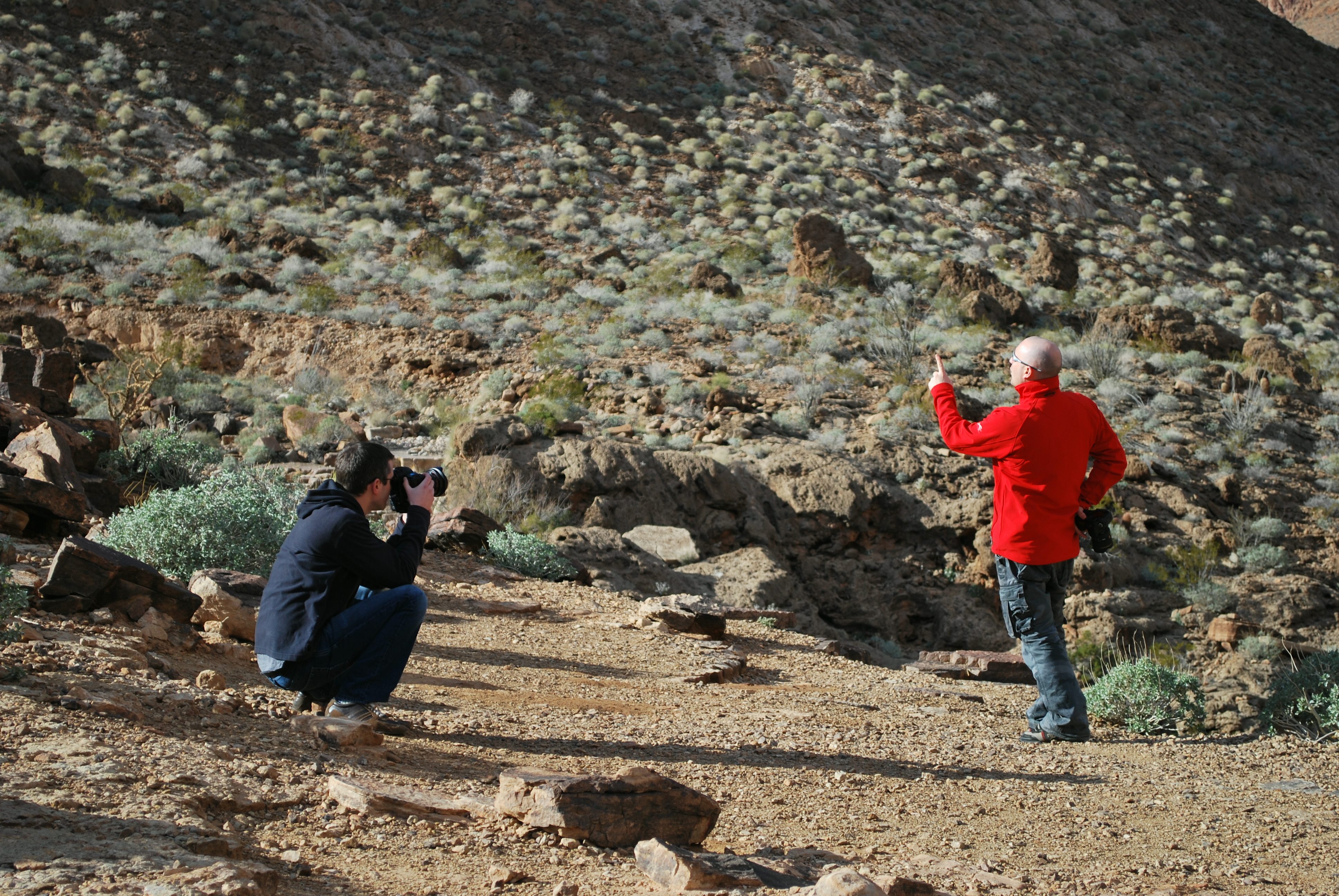
For the time being, here is a small gallery of JPEG sample images taken using a late pre-production D60 at the Grand Canyon yesterday, using the new VR 18-55:
There is a comment/feedback section at the bottom of this page - share your views on the Nikon D60!
Sample images
Please note, by clicking on the the thumbnails below, the full original four megabyte, 10 megapixel, JPEG image will show in your browser. You may prefer to download the image to your computer for convenient browsing offline. Windows users can do this by right-clicking and using the 'Save Target as...' option.

|
 |
Focal length 55mm (82.5mm equiv.), f/5.6, 1/250th sec, ISO 100 |
Focal length 55mm (82.5mm equiv.), f/5.6, 1/400th sec, ISO 100 |
 |
 |
Focal length 55mm (82.5mm equiv.), f/5.6, 1/400th sec, ISO 100 |
Focal length 18mm (27mm equiv.), f/5.6, 1/320th sec, ISO 100 |
 |
 |
Focal length 55mm (82.5mm equiv.), f/5.6, 1/500th sec, ISO 100 |
Focal length 18mm (27mm equiv.), f/5.6, 1/250th sec, ISO 200
|
|
 |
| Focal length 18mm (27mm equiv.), f/6.3, 1/3200th sec, ISO 800 |
Focal length 55mm (82.5mm equiv.), f/5.6, 1/320th sec, ISO 100 |
Reader feedback:
Discuss this story: